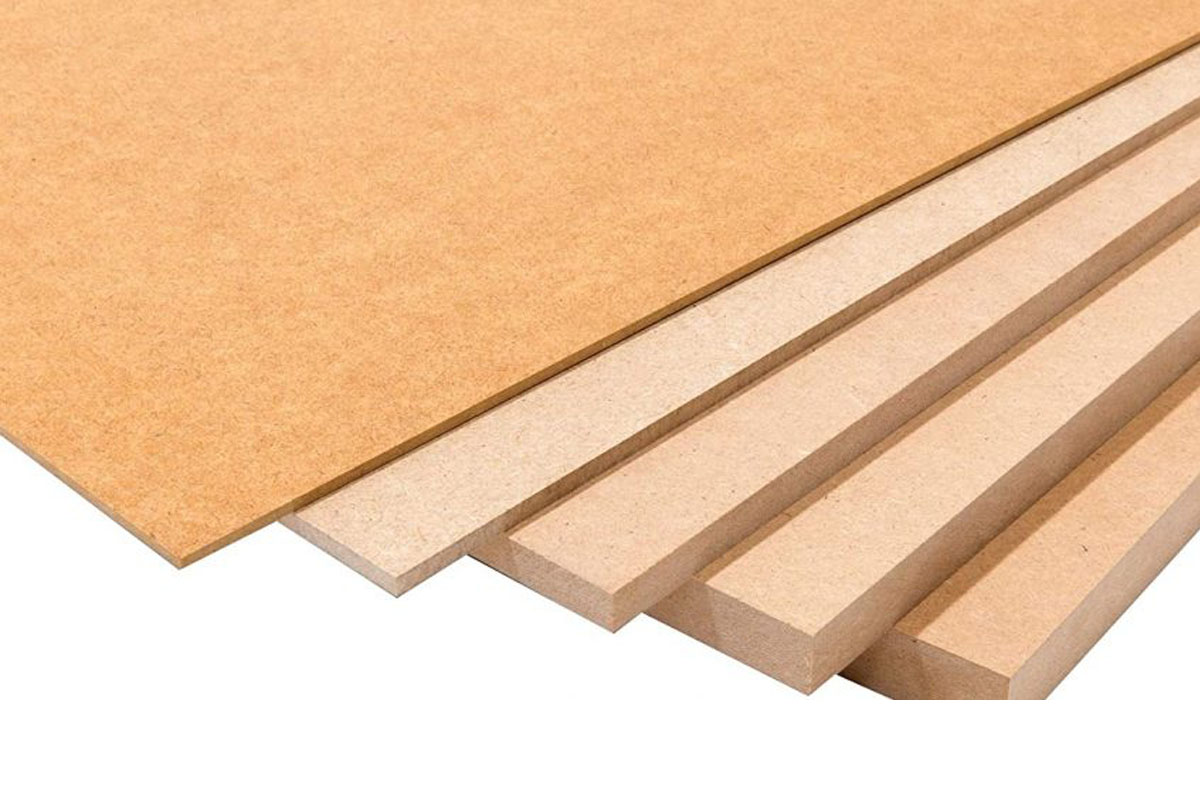
MDF (Medium-Density Fiberboard)
MDF (Medium-Density Fiberboard) is a versatile engineered wood product made by breaking down hardwood or softwood residuals into wood fibers, which are then mixed with wax and resin and pressed into dense, flat sheets. It is widely used in furniture, cabinetry, and decorative interior applications.
Key Features of MDF
- Smooth Surface:
- Uniform and smooth finish, ideal for painting or veneering.
- Homogeneous Composition:
- No natural grain or knots, ensuring consistent quality throughout.
- Density:
- Medium-density with good strength, lying between particleboard and plywood.
- Workability:
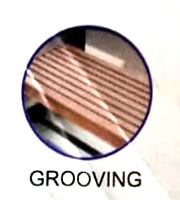
- Easy to cut, shape, and drill, making it suitable for intricate designs.
Types of MDF
- Based on Moisture Resistance:
- Standard MDF: Used for dry interiors.
- Moisture-Resistant MDF (MR MDF): Designed for humid environments like kitchens and bathrooms.
- Based on Fire Resistance:
- Fire-Retardant MDF: Treated to enhance fire resistance, ideal for public spaces.
- Pre-laminated MDF:
- Comes with a decorative laminate layer, ready to use without additional finishing.
- Flexible MDF:
- Designed for curved surfaces or applications requiring bending.
Sizes and Thickness
- Standard Sizes:
- Common dimensions are 8 feet x 4 feet (2440mm x 1220mm).
- Thicknesses:
- Available in 3mm, 6mm, 12mm, 18mm, and 25mm, among others.
Advantages
- Affordable:
- Cheaper than solid wood and many types of plywood.
- Smooth Surface:
- Excellent for painting, laminating, or veneering.
- Eco-Friendly:
- Made from recycled wood fibers, reducing waste.
- Workability:
- Easy to cut, rout, and machine without chipping.
Disadvantages
- Moisture Sensitivity:
- Standard MDF swells and weakens when exposed to water unless sealed.
- Weight:
- Heavier than plywood of similar dimensions.
- Screw Holding:
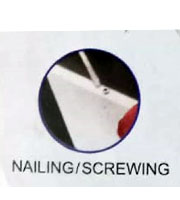
- Less effective at holding screws compared to plywood.
- Health Concerns:
- Releases formaldehyde (used in adhesives) during cutting; proper ventilation and protective gear are necessary.
Applications
- Furniture:
- Shelves, cabinets, desks, and wardrobes.
- Interior Design:
- Wall paneling, moldings, and false ceilings.
- Doors:
- Flush doors and decorative door panels.
- Partitions:
- Lightweight partitions in offices and homes.
Maintenance Tips
- Avoid Water Exposure:
- Keep away from water unless using moisture-resistant MDF.
- Proper Finishing:
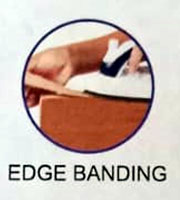
- Seal edges and surfaces with paint, laminate, or veneer for durability.
- Dust Protection:
- Use a soft cloth for regular cleaning; avoid abrasive materials.
- Ventilation:
- Ensure adequate ventilation when cutting MDF to avoid inhaling fine dust.
Comparison with Other Engineered Wood Products
| Feature | MDF | Plywood | Particleboard |
|---|---|---|---|
| Strength | Moderate | High | Low |
| Surface Finish | Smooth | Natural grain | Smooth but less dense |
| Moisture Resistance | Low (Standard) / Moderate (MR) | High (Marine or BWP grades) | Low |
| Cost | Moderate | Higher | Low |
| Weight | Heavy | Lighter | Light |
MDF is an excellent choice for indoor applications requiring a smooth, paintable surface. Let me know if you’d like details on specific uses or buying tips!