Wood Plastic Composite (WPC) board
Wood Plastic Composite (WPC) board is a highly versatile and eco-friendly material made by combining wood fibers or sawdust with thermoplastics, such as polyethylene, polypropylene, or polyvinyl chloride. The result is a durable, low-maintenance, and moisture-resistant composite material that mimics the appearance of natural wood while offering enhanced properties.
Key Features of WPC Board:
- Composition:
- Made from a mix of 60-80% wood fibers (or sawdust) and 20-40% thermoplastics.
- Often includes additives for UV protection, anti-microbial properties, and enhanced bonding.
- Durability:
- Resistant to rot, decay, and insect attacks.
- More weather-resistant than natural wood.
- Moisture Resistance:
- Impervious to water, making it suitable for damp environments like kitchens, bathrooms, and outdoor spaces.
- Eco-Friendly:
- Often uses recycled plastics and wood waste, reducing environmental impact.
- Low Maintenance:
- Does not require painting, sealing, or frequent cleaning.
- Easy to clean with just water and mild detergent.
- Aesthetic Appeal:
- Can mimic the texture and color of wood or other finishes, allowing for a wide range of designs.
- Workability:
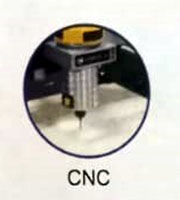
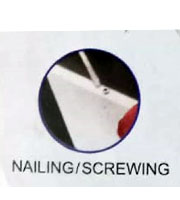
- Can be cut, drilled, or shaped like wood, making it suitable for carpentry and custom applications.
- Fire Resistance:
- Some variants are fire-resistant, providing an added layer of safety.
Applications of WPC Boards:
- Interior Applications:
- Furniture, cabinets, and wardrobes.
- Wall cladding and paneling.
- Doors and partitions.
- Exterior Applications:
- Decking and railing.
- Fencing and landscaping elements.
- Outdoor furniture.
- Construction:
- Used in formwork and modular construction.
- Faux wood applications in architectural designs.
- Signage and Advertising:
- For creating sturdy and weather-resistant signage boards.
Advantages:
- Long lifespan and cost-effectiveness over time.
- Termite-proof and resistant to fungal growth.
- Non-toxic and safe for both indoor and outdoor use.
Disadvantages:
- Typically less strong than pure wood or metal for load-bearing purposes.
- Limited resistance to high temperatures.
- May expand or contract slightly with temperature changes.
WPC boards are widely used in modern construction and design due to their blend of natural aesthetics and practical benefits.