Plywood
Plywood is a versatile, engineered wood product made from thin layers or “plies” of wood veneer glued together with adjacent layers having their wood grain rotated up to 90 degrees to each other. This cross-graining technique gives plywood its strength and stability. Here’s a detailed overview:
Types of Plywood
- Based on Wood Type:
- Softwood Plywood: Made from softwood species like pine, fir, or spruce. Commonly used in construction and roofing.
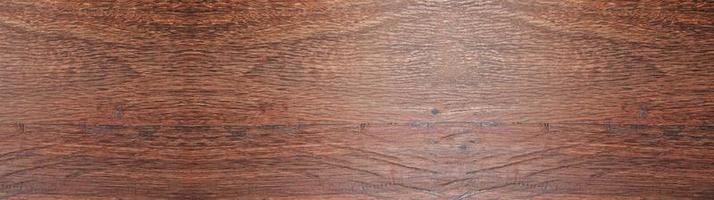
- Hardwood Plywood: Made from hardwood species like birch, maple, or oak. Often used in furniture and cabinetry.
- Based on Core Material:
- MR Grade (Moisture Resistant): Suitable for interior use where exposure to moisture is minimal.
- BWP/BWR Grade (Boiling Water Proof / Resistant): Ideal for areas with high moisture like kitchens and bathrooms.
- Based on Manufacturing Process:
- Commercial Plywood: Used for general purposes, relatively affordable.
- Marine Plywood: High-quality, water-resistant plywood used for boats and exterior structures.
- Specialty Plywood:
- Flexible Plywood: For curved surfaces.
- Laminated Plywood: Has a decorative laminate layer for aesthetics.
- Fire Retardant Plywood: Treated to resist fire.
Common Thicknesses
Plywood is available in various thicknesses, usually measured in millimeters (mm):
- 3mm: Thin sheets for flexible or decorative uses.
- 6mm: Light-duty applications like paneling.
- 12mm: Standard for furniture and cabinets.
- 18mm: Heavy-duty applications like flooring and walls.
Sizes
- Standard size: 8 feet x 4 feet (2440mm x 1220mm).
- Custom sizes are available in some markets.
Advantages
- Strength and Durability: Cross-graining enhances resistance to splitting and provides uniform strength.
- Moisture Resistance: Specific grades (e.g., Marine or BWP) resist water well.
- Versatility: Suitable for a range of applications—construction, furniture, interior design.
- Eco-friendly Options: Made from sustainable wood sources in some cases.
Applications
- Furniture: Wardrobes, shelves, beds, and cabinets.
- Construction: Flooring, roofing, partitions, and wall sheathing.
- Decorative Use: Paneling, false ceilings, and custom interiors.
- Exterior Applications: Using water-resistant grades for outdoor projects.
Maintenance Tips
- Use waterproof coatings or paints for outdoor applications.
- Avoid prolonged exposure to direct sunlight or excessive moisture unless using appropriate grades.
- Clean with a damp cloth; avoid abrasive cleaners.
If you need details on a specific type or application, feel free to ask!