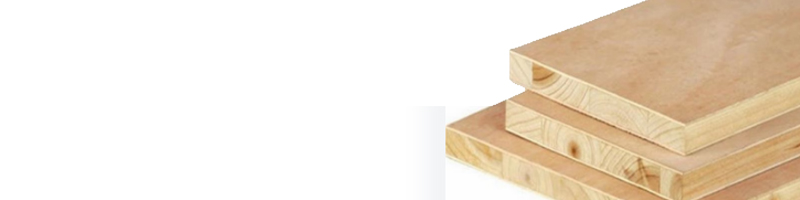
Blockboard
Blockboard is another engineered wood product, similar to plywood, but with a different core structure. It’s made by sandwiching a core of softwood strips between layers of veneer, glued under high pressure. This construction makes blockboard lightweight yet strong, especially for larger panels. Here’s a detailed overview:
Structure of Blockboard
- Core: Composed of strips of softwood (like pine or poplar), arranged edge to edge.
- Outer Layers: Veneers (usually hardwood) are glued on both sides of the core.
- Adhesive: Strong synthetic resins, such as phenol formaldehyde or urea formaldehyde, are used.
The softwood core’s grains run lengthwise, providing better strength in that direction.
Types of Blockboard
- Based on Glue Used:
- MR Grade (Moisture Resistant): Suitable for indoor applications like furniture.
- BWP Grade (Boiling Water Proof): Suitable for areas exposed to moisture, such as kitchens or bathrooms.
- Based on Finish:
- Plain Blockboard: Used for structural or hidden applications.
- Pre-laminated Blockboard: Comes with decorative laminates, ready for aesthetic use.
- Based on Veneer Type:
- Commercial Veneer: Budget-friendly for general use.
- Hardwood Veneer: For higher durability and aesthetic appeal.
Standard Sizes and Thickness
- Sizes: Common sizes are 8 feet x 4 feet (2440mm x 1220mm) and 6 feet x 4 feet (1830mm x 1220mm).
- Thicknesses: Typically available in 12mm, 18mm, and 25mm.
Advantages of Blockboard
- Lightweight: Easier to handle than plywood, especially for large panels.
- Durability: Resistant to bending and sagging, making it ideal for long shelves or large tables.
- Stability: Less prone to warping compared to solid wood.
- Cost-Effective: Often cheaper than plywood of similar strength.
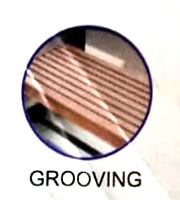
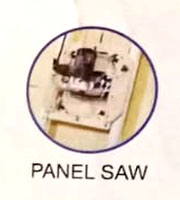
- Workability: Easy to cut, drill, and finish with standard woodworking tools.
Disadvantages
- Limited Water Resistance: Unless made with BWP glue, it’s less water-resistant than marine plywood.
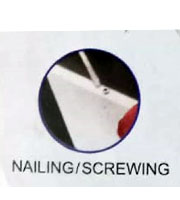
- Screw Holding Strength: Slightly lower than plywood because of the softwood core.
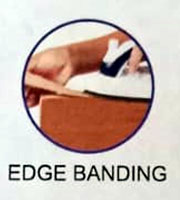
- Edge Finishing: Exposed edges require proper sealing or banding to prevent damage or moisture absorption.
Applications of Blockboard
- Furniture:
- Long bookshelves, tables, and wardrobes.
- Beds, especially where lightweight yet strong panels are needed.
- Interior Design: Wall paneling, partitions, and false ceilings.
- Doors: Often used for flush doors due to its stability and lightweight nature.
- Office Furniture: Lightweight desks and cabinets.
Maintenance Tips
- Protect edges with edge banding or sealing.
- Avoid prolonged exposure to water unless using waterproof grades.
- Use protective coatings for outdoor use or in humid environments.
Blockboard is an excellent choice for furniture and interiors where lightweight, cost-effective solutions are required. Let me know if you need more specific details!